
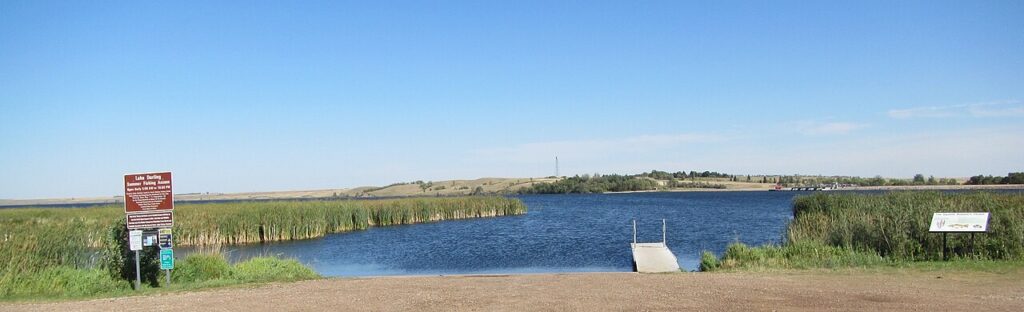
Lake Darling, located in north-central North Dakota near Gladstone, is a scenic prairie reservoir that offers a peaceful swimming experience for those seeking a quiet escape. The lake spans approximately 65,000 acres, making it one of the state's largest bodies of water, surrounded by rolling grasslands, native prairie, and wildlife habitats. The relatively unspoiled landscape provides swimmers with stunning views and a genuine connection to North Dakota's natural character. The shoreline features sandy areas ideal for swimming and sunbathing, while the peaceful waters attract visitors looking for tranquility rather than crowded beaches. Wildlife viewing opportunities, including bison herds and various bird species, add to the unique charm. Practical tip: Arrive early in the morning to secure the best parking and enjoy the calmest water conditions. Practical tip: Bring plenty of sunscreen and water, as the exposed prairie offers minimal shade.
About This Lake
Swimming Conditions
Lake Darling exhibits moderate water clarity, typical for prairie reservoirs, with visibility generally ranging from three to six feet depending on weather and season. Summer water temperatures average around 68-72 degrees Fahrenheit, creating refreshing swimming conditions from June through September. The lake's depth varies considerably, with deeper sections reaching 50 feet and shallower areas near designated swimming zones ideal for families. Currents are generally minimal due to the reservoir's protected location and gradual shoreline. Strong winds common to the plains can occasionally create choppy conditions, particularly in spring and early summer. Water quality is managed by the North Dakota Game and Fish Department. No lifeguards are present, making personal responsibility essential. Swimmers should enter gradually and use the buddy system. The gentle sloping bottom in designated beach areas minimizes hazards for inexperienced swimmers.
Visitor Information
Lake Darling is located approximately 20 miles northwest of Williston, North Dakota's nearest significant city, roughly a 20-minute drive. The lake features adequate free parking in several designated areas around the shoreline, accommodating numerous vehicles throughout the day. Facilities include picnic areas with tables and grills, public restrooms, and boat launch facilities. A small concession stand operates seasonally during peak summer months. No restaurants or accommodations exist directly at the lake, but Williston offers numerous hotels, restaurants, and grocery stores about 20 minutes south. The town of Gladstone, closer to the lake, has limited services. Best visiting occurs June through August when weather is warmest and facilities fully operational. Spring can be windy and cold, while fall brings cooler temperatures. Winter access depends on weather conditions and road maintenance. Day trips are most popular given the remote location.
A Perfect Day at Lake Darling's Prairie Sanctuary
Start your day by arriving at Lake Darling around 9 AM to beat crowds and enjoy the morning calm. Spend the morning swimming in the designated beach areas, then picnic lunch at one of the shaded tables while observing local wildlife. Afternoon activities include exploring the shoreline, kayaking if you bring equipment, or simply relaxing on the sandy beach. The late afternoon provides excellent lighting for photography of the prairie landscape and sunset views. Bring binoculars for wildlife viewing opportunities including bison herds visible from certain vantage points. Plan to depart before sunset as the remote location becomes dark quickly.
A North Dakota Prairie Escape at Lake Darling
Day 1
Arrive Friday afternoon and set up camp at nearby campgrounds or book lodging in Williston. Spend the evening swimming and exploring the shoreline as the sun begins to set. Watch for wildlife activity during golden hour when animals are most active. Enjoy a picnic dinner at one of the scenic overlooks.
Day 2
Wake early Saturday to swim during the calmest morning conditions. Spend midday kayaking or paddleboarding if equipment is available, then explore hiking trails around the shoreline. Enjoy a final picnic before heading back to Williston.
48.2819, -103.6428
Is Lake Darling safe for swimming?
Lake Darling is generally safe for swimming with gentle sloping shorelines and moderate water conditions. However, there are no lifeguards on duty, so swimmers should always use the buddy system and practice personal safety precautions. The water quality is monitored by the North Dakota Game and Fish Department.
What is the best time to swim at Lake Darling?
The best swimming season is June through August when water temperatures reach 68-72 degrees Fahrenheit and weather is most favorable. Morning hours typically offer the calmest water conditions, while afternoon winds can create choppy waves.
Is there an entry fee at Lake Darling?
No, Lake Darling is completely free to access with no entry fees for vehicles or swimmers. Parking is available at multiple designated areas around the shoreline at no cost.
What facilities are available at Lake Darling?
Lake Darling offers picnic areas with tables and grills, public restrooms, and boat launch facilities. A seasonal concession stand operates during peak summer months, though dining options are limited in this remote location.
Can you camp near Lake Darling?
Camping is not available directly at Lake Darling, but several campgrounds exist within the region. Visitors typically stay in Williston, 20 minutes south, which offers hotels and RV facilities along with restaurants and services.
📋 Sources & updates
Compiled from official park, state and lake-authority information.Swam at Lake Darling?
Tag us on Instagram. The best photos get featured on this page.
#LakeDarlingSwimming @swimminglakes